Drayton Island and Lake George sit within one of Florida's most biologically rich corridors. The St. Johns River basin, of which Lake George is the largest widening, supports an extraordinary diversity of wildlife. From the surface of the lake to the treetops above the island, there is always something wild to see.
Wildlife of Lake George & Drayton Island
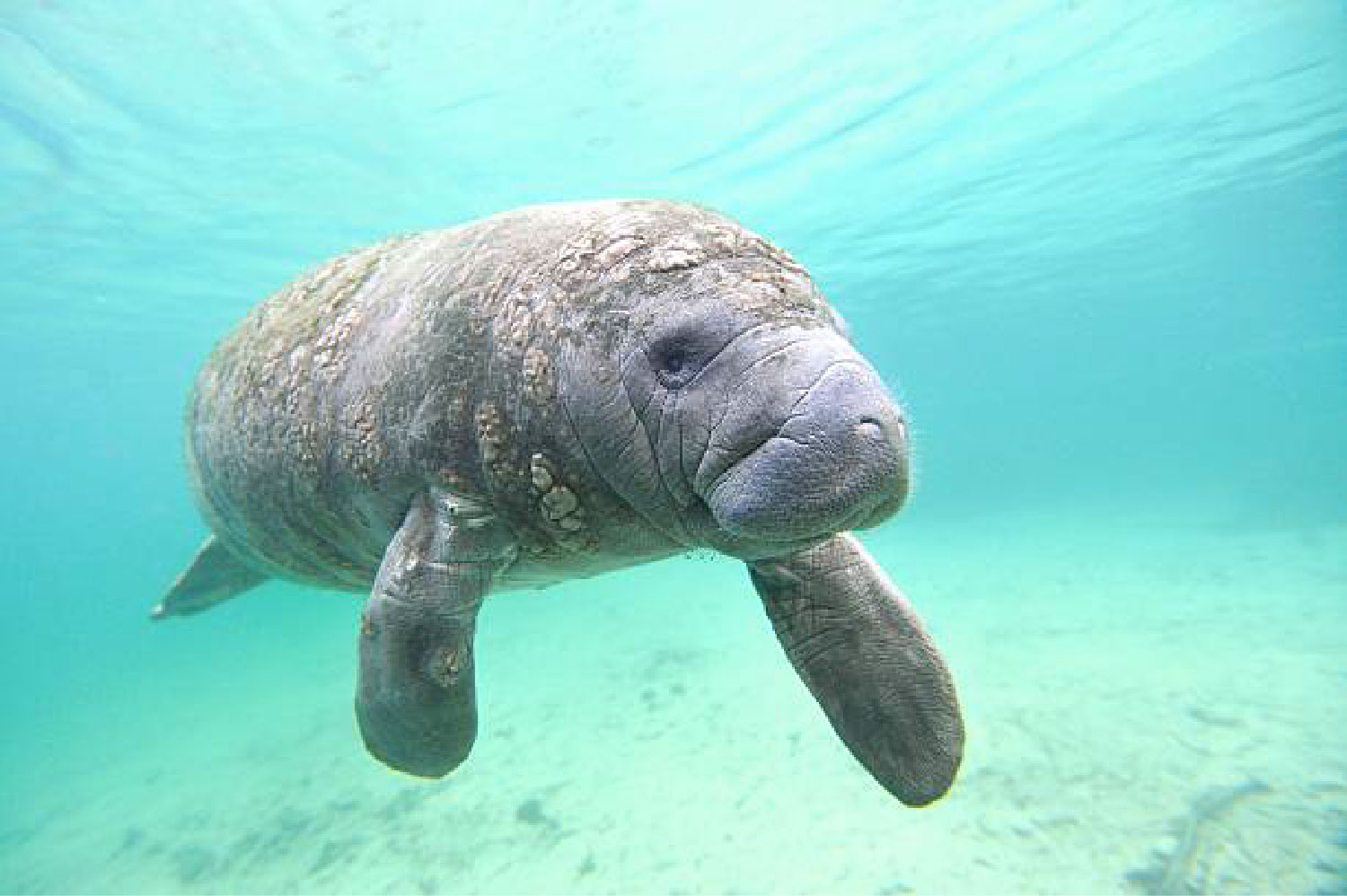
🐘 Florida Manatee
The Florida manatee (West Indian manatee) is one of the most iconic creatures of the St. Johns River system. These gentle giants use the warmer reaches of the river and its lakes seasonally, and sightings on Lake George are not uncommon, particularly in spring and fall. Always approach slowly and never disturb a manatee — they are federally protected.
🦅 Bald Eagle
Florida has one of the densest populations of nesting bald eagles in the lower 48 states, and Lake George's shores and islands provide prime nesting and hunting territory. Eagles are frequently seen soaring over the lake or perched in tall cypress trees along the water's edge.
🐊 American Alligator
Alligators are a permanent fixture of any Florida waterway, and Lake George is no exception. They serve a vital ecological role and are a natural part of life on and around the island. Residents and visitors should give all alligators a respectful distance and never feed them — a fed gator is a dangerous gator.
🦅 Osprey
The osprey, sometimes called a "fish hawk," is among the most commonly seen raptors over Lake George. These remarkable birds dive feet-first to catch fish and are present year-round. Their large, messy nests are a common sight on channel markers, power poles, and tall dead trees.
🐦 Wading Birds
The shallow marshes, grass flats, and shorelines of Lake George host an impressive array of wading birds. Great blue herons, great egrets, snowy egrets, tricolored herons, little blue herons, and roseate spoonbills are all regular visitors. The lake's abundant fish population makes it a year-round feeding destination for these species.
🦆 Waterfowl
In winter, Lake George hosts migratory waterfowl including ring-necked ducks, lesser scaup, hooded mergansers, and buffleheads. Resident species include the Florida mottled duck, wood duck, and anhinga — the "snakebird" often seen drying its wings on stumps and logs.
🐢 Florida Softshell Turtle
The Florida softshell turtle is one of the largest freshwater turtles in the world and is commonly found in Lake George. Various other turtle species — including the Florida red-belly cooter and snapping turtle — also inhabit the lake's warm waters.
🦋 Butterflies & Pollinators
Drayton Island's vegetation, including native flowering plants and scrub habitat, supports a variety of butterfly species, including the zebra longwing (Florida's state butterfly), gulf fritillary, and monarch during migration.
Flora & Vegetation
Drayton Island's landscape is a mosaic typical of north-central Florida — a mix of hardwood hammock, wetland margins, and areas of scrub and upland vegetation. Centuries-old live oaks draped in Spanish moss are a defining feature, along with cabbage palms (Florida's state tree), slash pines, and sweetgum. Along the water's edge, bald cypress and water oaks create shaded corridors that shelter fish, reptiles, and birds.
- Live Oak — Ancient, sprawling oaks with Spanish moss are the signature trees of the landscape
- Cabbage Palm — Florida's state tree; ubiquitous along shorelines and uplands
- Bald Cypress — Wetland sentinels with distinctive "knees" rising from the water
- Slash Pine — Common in upland areas; important habitat for cavity-nesting birds
- Wax Myrtle — Aromatic native shrub that provides dense cover and berries for wildlife
- Hydrilla & Eel Grass — Aquatic vegetation that forms critical fish habitat in the lake
Nearby Natural Areas
- Lake George State Forest — Thousands of acres of managed forest surrounding the lake
- St. Johns River Water Management District — Manages water resources and conservation lands in the region
- Ocala National Forest — Florida's largest national forest borders the Lake George area and contains springs, rivers, and exceptional wildlife habitat
- Silver Glen Springs — A stunning first-magnitude spring run that empties into Lake George; a manatee winter refuge and swimming destination
- Salt Springs — Another first-magnitude spring within Ocala National Forest, near the lake's western shore